
Data analysis tools are revolutionizing how we understand information, transforming raw data into actionable insights. From sophisticated software designed for seasoned analysts to user-friendly platforms catering to beginners, the landscape offers a diverse array of options. This exploration delves into the core functionalities, comparative advantages, and strategic applications of these indispensable instruments, guiding users through the intricacies of data-driven decision-making.
This comprehensive overview will examine the most popular tools, contrasting open-source and proprietary solutions, and providing a step-by-step guide to selecting the right fit for specific needs. The narrative will then transition to the methodologies employed, from descriptive to predictive analysis, with practical examples and real-world case studies. Finally, the focus will shift to integration within a comprehensive workflow, automation techniques, and the transformative impact of emerging technologies like AI and machine learning.
Exploring the landscape of software designed to examine information offers a diverse selection of options for users of all levels.

The world of data analysis is a vast and dynamic ecosystem, populated by a plethora of software tools designed to help individuals and organizations extract meaningful insights from raw data. These tools cater to a wide range of needs, from basic data exploration to complex statistical modeling and advanced data visualization. The choice of the right tool often depends on the user’s technical expertise, the type of data being analyzed, and the desired outcomes. Understanding the landscape involves recognizing the key players and their specific strengths.
Overview of Popular Data Analysis Tools
The data analysis landscape is populated by a variety of tools, each offering unique features and catering to different user profiles. These tools can be broadly categorized based on their primary functionalities, ranging from general-purpose data wrangling to specialized statistical analysis.
- Spreadsheet Software: Tools like Microsoft Excel and Google Sheets remain widely used for their accessibility and ease of use. They are excellent for basic data manipulation, simple calculations, and creating basic charts. Their primary target audience includes business users, analysts, and anyone needing to work with small to medium-sized datasets. However, they can become cumbersome when dealing with large datasets or complex analyses.
- Statistical Software Packages: Software like SPSS, SAS, and Stata are designed for in-depth statistical analysis. They offer a comprehensive suite of statistical tests, modeling capabilities, and reporting features. These tools are primarily used by statisticians, researchers, and data scientists who require advanced analytical capabilities. The learning curve can be steep for users unfamiliar with statistical concepts.
- Programming Languages and Libraries: Python and R have become dominant forces in data analysis, offering unparalleled flexibility and power. Python, with libraries like Pandas, NumPy, and Scikit-learn, excels in data manipulation, machine learning, and general-purpose programming. R is specifically designed for statistical computing and graphics, with a vast ecosystem of packages for various statistical methods. Both languages are targeted towards data scientists, analysts, and programmers who need custom analysis and automation.
- Data Visualization Tools: Tools like Tableau, Power BI, and Qlik Sense focus on data visualization and business intelligence. They allow users to create interactive dashboards, reports, and visualizations from various data sources. These tools are often used by business analysts, managers, and decision-makers to gain insights from data and communicate findings effectively. They typically offer a user-friendly interface with drag-and-drop functionality, but can have limitations in terms of advanced statistical analysis.
- SQL Databases and Query Tools: SQL databases, such as MySQL, PostgreSQL, and Microsoft SQL Server, are essential for storing and managing large datasets. SQL query tools are used to extract, transform, and load (ETL) data, and to perform data analysis directly within the database. This approach is beneficial for handling large volumes of data and performing efficient data retrieval. These tools are primarily used by database administrators, data engineers, and data analysts.
Advantages and Disadvantages of Open-Source vs. Proprietary Solutions
The choice between open-source and proprietary data analysis tools is a crucial decision that impacts cost, functionality, and community support. Each approach presents distinct advantages and disadvantages that users must carefully consider.
- Cost: Open-source software is typically free of charge, offering a significant advantage in terms of cost savings. This can be particularly appealing for individuals, small businesses, and organizations with limited budgets. Proprietary software, on the other hand, often requires a licensing fee, which can range from a one-time purchase to a recurring subscription. The initial cost of proprietary software can be a barrier to entry, but it may also include support and training that justify the investment.
- Support: Proprietary software vendors usually provide dedicated support services, including technical assistance, training, and documentation. This can be a significant benefit for users who need assistance with installation, troubleshooting, or understanding the software’s features. Open-source software relies primarily on community support, which can vary in quality and responsiveness. While large and active communities often provide extensive documentation and forums, the level of support may not always be comparable to that offered by proprietary vendors.
- Community Involvement: Open-source software thrives on community involvement, with developers and users collaborating to improve the software, fix bugs, and add new features. This collaborative environment often leads to rapid innovation and a diverse range of contributions. Proprietary software is developed and maintained by a dedicated team, which can provide more control over the software’s direction and features. However, the lack of community involvement can sometimes lead to slower development cycles and a less responsive user experience.
- Customization and Flexibility: Open-source software offers greater flexibility and customization options, allowing users to modify the source code to suit their specific needs. This is particularly valuable for organizations with unique requirements or complex data analysis tasks. Proprietary software typically offers less flexibility, with users limited to the features and functionalities provided by the vendor. While proprietary software may offer some customization options, they are usually limited and may require additional licensing fees.
- Security and Reliability: Both open-source and proprietary software can be secure and reliable, but the approaches differ. Open-source software benefits from the scrutiny of a large community, which can help identify and fix security vulnerabilities more quickly. Proprietary software vendors often have dedicated security teams and rigorous testing processes. However, the reliance on a single vendor can create a single point of failure. The reliability of both types of software depends on factors such as the development process, testing procedures, and the vendor’s commitment to security.
Comparison Table of Data Analysis Tools
This table provides a side-by-side comparison of several popular data analysis tools, highlighting their key features, pricing models, and strengths. The selection includes tools that cater to different needs and skill levels.
| Tool | Features | Pricing Model | Key Strengths |
|---|---|---|---|
| Microsoft Excel | Spreadsheet software, data manipulation, basic charting, pivot tables. | Subscription (Microsoft 365) or One-time purchase | Ease of use, wide availability, familiar interface. |
| Tableau | Data visualization, interactive dashboards, data blending, robust charting options. | Subscription (various tiers) | User-friendly interface, strong visualization capabilities, data connectivity. |
| Python (with Pandas, NumPy, Scikit-learn) | Data manipulation, statistical analysis, machine learning, custom scripting. | Free (open-source) | Flexibility, powerful libraries, extensive community support, machine learning capabilities. |
| Power BI | Data visualization, business intelligence, interactive dashboards, data modeling. | Subscription (various tiers) | Integration with Microsoft ecosystem, affordable pricing, easy-to-use interface. |
| R | Statistical computing, data analysis, graphics, specialized packages for statistics. | Free (open-source) | Specialized statistical analysis, extensive package ecosystem, data visualization. |
Understanding the crucial elements in selecting the most suitable tools involves a careful assessment of individual requirements and project scope.
Choosing the right data analysis tool is a pivotal decision, akin to selecting the correct instrument for an orchestra. The effectiveness of the analysis, the insights gleaned, and ultimately, the decisions made hinge on this choice. This process demands a pragmatic approach, carefully balancing the project’s specific needs with the capabilities of the available software. Ignoring this careful evaluation can lead to inefficiencies, inaccurate results, and wasted resources.
Factors to Consider When Choosing a Tool
The selection process isn’t a one-size-fits-all endeavor. It necessitates a deep understanding of the project’s intricacies and the user’s skillset. Several key factors must be meticulously evaluated to ensure the chosen tool aligns perfectly with the requirements.
Data volume is a primary concern. Tools vary significantly in their capacity to handle massive datasets. Consider the size of the data, the frequency of updates, and the expected growth rate. For instance, a small business analyzing customer transactions might find a spreadsheet program adequate. However, a financial institution processing millions of trades daily requires tools specifically designed for big data, such as Apache Spark or Hadoop.
The type of analysis needed significantly influences the choice. Different tools excel in various analytical domains. Descriptive statistics, such as calculating means and standard deviations, are readily performed in most tools. Predictive analytics, involving forecasting future trends, necessitates more sophisticated tools with machine learning capabilities. Consider whether the analysis will focus on identifying patterns, making predictions, or simulating different scenarios. For example, a marketing team analyzing customer behavior might need tools that support segmentation and clustering, while a research scientist analyzing experimental data may require tools suitable for statistical modeling.
User technical proficiency plays a crucial role. Some tools are designed for ease of use, offering graphical user interfaces (GUIs) and drag-and-drop functionality, making them accessible to users with limited coding experience. Other tools are command-line driven, requiring users to write code in languages like Python or R. This latter approach provides greater flexibility and control but demands a higher level of technical expertise. The selection should align with the team’s skillset to maximize efficiency and minimize the learning curve.
Other factors to consider include the budget, the availability of training and support, the tool’s integration capabilities with other systems, and the need for collaboration features. Open-source tools, such as R and Python, offer cost advantages and extensive community support. Commercial tools, like Tableau and Power BI, provide user-friendly interfaces and robust support but come with licensing fees. Ultimately, the best tool is the one that best addresses the project’s needs within the available constraints.
Essential Features and Functionalities for Large Datasets
Handling large datasets demands specific functionalities that ensure performance, scalability, and efficiency. These features are critical for processing vast amounts of information and extracting meaningful insights within a reasonable timeframe.
Scalability is paramount. The chosen tool must be capable of handling increasing data volumes without significant performance degradation. This often involves leveraging distributed computing architectures, where the workload is spread across multiple machines. For example, Apache Spark is designed for distributed data processing, allowing it to scale horizontally by adding more nodes to the cluster.
Performance optimization is crucial. Large datasets can easily overwhelm even the most powerful hardware. The tool should incorporate features that optimize query execution, data storage, and processing speed. Techniques like data indexing, query optimization, and efficient data compression can significantly improve performance. Consider tools that offer built-in performance monitoring and tuning capabilities.
Data storage and management capabilities are also important. The tool should provide efficient mechanisms for storing, organizing, and accessing large datasets. Consider the supported data formats, the ability to handle different data types, and the availability of data governance features. Database systems like PostgreSQL or NoSQL databases like MongoDB are often used for storing large datasets, providing features like indexing, partitioning, and replication for improved performance and availability.
Parallel processing is a key feature. The ability to execute multiple tasks simultaneously is essential for accelerating data processing. Tools that support parallel processing can divide the workload into smaller chunks and process them concurrently, significantly reducing the overall processing time. This is especially important for complex analytical tasks that involve multiple steps.
Real-time data processing capabilities are becoming increasingly important. For applications that require up-to-the-minute insights, the tool should be able to process data streams in real time. Tools like Apache Kafka and Apache Flink are designed for real-time data ingestion and processing, enabling organizations to react quickly to changing conditions.
The ability to handle different data types, including structured, semi-structured, and unstructured data, is essential. Many datasets contain a mix of data types, and the tool should be able to process them all efficiently. This may involve features for data transformation, cleansing, and integration.
Step-by-Step Procedure for Evaluating Different Tools
Evaluating data analysis tools requires a structured approach to ensure a thorough and objective assessment. The following steps provide a framework for comparing different options and selecting the most suitable one.
- Define Requirements: Clearly articulate the project’s goals, data characteristics, and analytical needs. This forms the foundation for evaluating potential tools. Consider creating a detailed requirements document outlining all necessary functionalities and features.
- Identify Potential Tools: Research and compile a list of tools that appear to meet the initial requirements. Consider both open-source and commercial options, and read reviews and case studies to understand their strengths and weaknesses.
- Create a Shortlist: Narrow down the list of potential tools based on preliminary research and initial screening. Prioritize tools that seem to best align with the project’s specific needs and budget.
- Set up a Test Environment: Establish a test environment to evaluate the shortlisted tools. This may involve setting up virtual machines or cloud-based instances.
- Load Sample Data: Load a representative sample of the project’s data into each tool. The sample data should be sufficient to test the tool’s capabilities and performance.
- Test Key Functionalities: Test the tool’s ability to perform the required analytical tasks. This includes data import, data cleaning, data transformation, data analysis, and data visualization.
- Evaluate Performance: Measure the tool’s performance in terms of processing speed, memory usage, and scalability. Compare the results across different tools.
- Assess User Experience: Evaluate the tool’s user interface, ease of use, and overall user experience. Consider factors like the learning curve, the availability of documentation and support, and the presence of collaboration features.
- Consider Integration: Assess the tool’s ability to integrate with other systems and tools. This may involve testing its compatibility with existing databases, data warehouses, and reporting tools.
- Document Findings: Create a detailed report summarizing the evaluation process, including the strengths and weaknesses of each tool, the performance results, and the user experience feedback.
- Select the Best Tool: Based on the evaluation results, select the tool that best meets the project’s requirements, budget, and user needs.
- Pilot Implementation: Before full deployment, conduct a pilot implementation with a subset of the data and users to validate the tool’s performance and suitability in a real-world setting.
The methods and techniques employed with these tools encompass a wide array of approaches, each tailored to specific data characteristics and research goals.
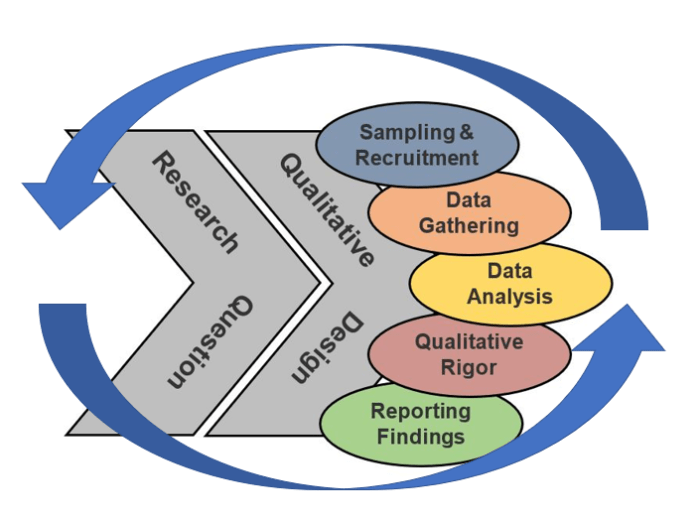
Exploring the landscape of data analysis tools reveals a rich tapestry of methods and techniques designed to extract meaningful insights from information. These approaches range from simple summarization to complex predictive modeling, each offering a unique lens through which to examine data. The selection of the appropriate method hinges on the nature of the data, the questions being asked, and the desired outcomes of the analysis. A thorough understanding of these techniques is crucial for harnessing the full potential of data analysis tools and achieving informed decision-making.
Different Types of Examinations
Data analysis tools facilitate various types of examinations, each serving distinct analytical purposes. These include descriptive, inferential, and predictive analyses, each with its own set of applications and benefits.
Descriptive analysis focuses on summarizing and presenting the key characteristics of a dataset. It involves calculating measures such as mean, median, mode, standard deviation, and frequency distributions. The goal is to provide a clear and concise overview of the data’s properties, allowing analysts to understand its basic structure and identify patterns. Descriptive analysis is often the first step in any data investigation, providing a foundation for more complex analyses. For example, in a retail setting, descriptive analysis can reveal the average purchase value, the most popular products, and the age distribution of customers.
Inferential analysis aims to draw conclusions about a population based on a sample of data. It employs statistical techniques such as hypothesis testing, confidence intervals, and regression analysis to make inferences about the broader population from which the sample was drawn. The core principle of inferential analysis is to quantify the uncertainty associated with these inferences. It allows analysts to generalize findings from a sample to the entire population. For instance, a pharmaceutical company might use inferential analysis to determine whether a new drug is significantly more effective than a placebo, based on clinical trial data from a sample of patients.
Predictive analysis leverages historical data to forecast future outcomes. It employs various statistical and machine learning algorithms, such as regression, classification, and time series analysis, to build models that can predict future events or trends. The accuracy of predictive models depends on the quality and relevance of the historical data, as well as the appropriateness of the chosen algorithms. Predictive analysis is used in a wide range of applications, including fraud detection, customer churn prediction, and sales forecasting. For example, a credit card company might use predictive analysis to identify fraudulent transactions based on past transaction patterns and user behavior. A good predictive model can provide substantial insights, aiding in proactive decision-making.
Implementation of Common Methods
Several common methods are frequently employed in data analysis, including regression, classification, and clustering. These methods can be implemented using various data analysis tools, such as Python with libraries like scikit-learn and R with its statistical packages. The choice of tool depends on the specific requirements of the analysis and the analyst’s familiarity with the programming languages.
Regression analysis is used to model the relationship between a dependent variable and one or more independent variables. It aims to estimate the parameters of a function that best describes this relationship. The most common type of regression is linear regression, which assumes a linear relationship between the variables. Other types of regression, such as polynomial regression and logistic regression, can handle more complex relationships. For example, consider a dataset containing information on house prices and their associated features like square footage, number of bedrooms, and location. Regression analysis can be used to build a model that predicts house prices based on these features. In Python, using scikit-learn, a simple linear regression model can be implemented as follows:
“`python
from sklearn.linear_model import LinearRegression
import numpy as np
# Sample data
X = np.array([[1000], [1500], [2000], [2500]]) # Square footage
y = np.array([200000, 300000, 400000, 500000]) # House price
# Create a linear regression model
model = LinearRegression()
# Train the model
model.fit(X, y)
# Predict house price for a house with 1800 sq ft
predicted_price = model.predict([[1800]])
print(predicted_price)
“`
Classification is used to categorize data points into predefined classes or categories. It involves training a model on a labeled dataset and then using the model to classify new, unseen data points. Common classification algorithms include logistic regression, support vector machines (SVMs), and decision trees. For example, in the context of email filtering, classification can be used to classify emails as either spam or not spam based on the content of the email. In R, using the `caret` package, a simple logistic regression model can be created:
“`R
# Install and load the caret package if not already installed
# install.packages(“caret”)
library(caret)
# Sample data
# Assuming a dataset ‘data’ with columns ‘features’ and ‘target’
# where ‘target’ is a factor variable with two levels (e.g., “spam”, “not_spam”)
# Split the data into training and testing sets
set.seed(123) # for reproducibility
trainIndex <- createDataPartition(data$target, p = 0.8, list = FALSE)
trainData <- data[trainIndex,]
testData <- data[-trainIndex,]
# Train a logistic regression model
model <- glm(target ~ ., data = trainData, family = binomial)
# Make predictions on the test data
predictions <- predict(model, newdata = testData, type = "response")
# Evaluate the model
confusionMatrix(factor(ifelse(predictions > 0.5, “spam”, “not_spam”)), testData$target)
“`
Clustering is an unsupervised learning technique that groups similar data points together based on their characteristics. It does not require predefined classes. Common clustering algorithms include k-means clustering and hierarchical clustering. For example, in customer segmentation, clustering can be used to group customers based on their purchasing behavior, demographics, and other relevant features. This allows businesses to tailor their marketing strategies to specific customer segments. In Python, using scikit-learn, k-means clustering can be implemented:
“`python
from sklearn.cluster import KMeans
import numpy as np
# Sample data
X = np.array([[1, 2], [1.5, 1.8], [5, 8], [8, 8], [1, 0.6], [9, 11]])
# Create a KMeans model with 2 clusters
kmeans = KMeans(n_clusters=2, random_state=0, n_init=10)
# Fit the model to the data
kmeans.fit(X)
# Get the cluster assignments for each data point
labels = kmeans.labels_
# Print the cluster assignments
print(labels)
# Get the cluster centers
print(kmeans.cluster_centers_)
“`
Real-World Applications of These Methods
The methods discussed above have found wide application across various industries. Here are some real-world examples, along with the challenges faced and the insights gained.
Case Study 1: Fraud Detection in Financial Services
Fraud detection systems rely heavily on classification techniques to identify potentially fraudulent transactions. Banks and credit card companies use algorithms to analyze transaction data in real-time and flag suspicious activities. The challenges involve the imbalanced nature of the data (far fewer fraudulent transactions than legitimate ones), the need for rapid processing, and the evolving tactics of fraudsters. Insights gained include significant reductions in financial losses, improved customer security, and the ability to proactively prevent fraudulent activities. For example, a credit card company might use a logistic regression model to classify transactions based on features like transaction amount, location, time of day, and merchant category. The model would be trained on historical transaction data, including labeled examples of fraudulent and legitimate transactions. When a new transaction is made, the model would predict the probability of it being fraudulent. Transactions exceeding a certain probability threshold would be flagged for review. The image shows a flow chart of a fraud detection system. The chart begins with “Transaction Data Input” and progresses through stages such as “Feature Extraction”, “Model Training”, “Prediction”, and “Fraud/No Fraud Classification” before reaching the “Alert/Action” stage. The chart emphasizes the cyclical nature of the process, including continuous monitoring and model retraining.
Case Study 2: Customer Segmentation in Retail
Retail businesses use clustering techniques to segment their customer base into distinct groups based on their purchasing behavior, demographics, and other characteristics. This allows retailers to tailor their marketing campaigns, product offerings, and customer service strategies to specific customer segments. The challenges involve the high dimensionality of customer data (many features to consider), the need for interpretable results, and the dynamic nature of customer preferences. Insights gained include improved marketing ROI, increased customer loyalty, and enhanced product recommendations. For instance, a retailer might use k-means clustering to segment customers based on their purchase history, including the frequency of purchases, the average transaction value, and the types of products purchased. This would create customer segments such as “high-value customers,” “frequent shoppers,” and “discount seekers.” The image depicts a scatter plot of customer data points clustered into three distinct segments, visualized in different colors. The plot illustrates how customers with similar purchasing behaviors are grouped together.
Case Study 3: Predicting Sales in the E-commerce Sector
E-commerce companies leverage regression analysis and time series analysis to forecast future sales. Accurate sales predictions are crucial for inventory management, resource allocation, and strategic planning. The challenges include the volatility of online sales, the impact of external factors (e.g., seasonality, promotions, economic conditions), and the need for continuous model updates. Insights gained include optimized inventory levels, improved supply chain management, and data-driven decision-making. For example, an e-commerce company could employ time series analysis, such as ARIMA models, to predict future sales of a specific product based on historical sales data. The model would account for seasonal trends, promotions, and other factors that influence sales. The image presents a line graph illustrating a time series of sales data. The graph displays sales fluctuations over a period, with clear trends, seasonality, and potential outliers. The y-axis represents sales volume, and the x-axis represents time, showing the trend over time.
Integrating the tools within a comprehensive workflow necessitates a strategic approach, ensuring smooth data flow and efficient results generation.
Building a robust data analysis workflow requires careful planning and execution. The seamless integration of various tools and techniques is crucial for transforming raw data into actionable insights. This involves not only selecting the right software but also establishing a structured process for data handling, analysis, and reporting. The goal is to create an efficient and reliable system that minimizes errors and maximizes the value derived from the data.
Importing and Preparing Data for Examination
The initial phase of any data analysis project involves importing and preparing the data for examination. This process is fundamental to ensuring the accuracy and reliability of the subsequent analysis. It encompasses several critical steps, each contributing to the overall quality of the final results. These steps include importing, cleaning, transforming, and validating the information.
Data import is the first step, and the method varies based on the data source. Data can originate from a variety of sources, including databases (SQL Server, PostgreSQL, MySQL), flat files (CSV, TXT, Excel spreadsheets), APIs, and cloud storage platforms (AWS S3, Google Cloud Storage, Azure Blob Storage). The specific tool used for importing depends on the source. For example, Python libraries like Pandas offer robust functionality for reading data from various formats. Similarly, tools like Tableau and Power BI provide built-in connectors to numerous data sources, simplifying the import process.
Data cleaning is essential to address inconsistencies, missing values, and errors that can skew the analysis. This often involves several sub-steps:
- Handling Missing Values: Decide on a strategy to handle missing data. Options include removing rows with missing values (if the missing data represents a small proportion of the dataset), imputing missing values with the mean, median, or mode of the respective column, or using more sophisticated imputation techniques like k-nearest neighbors (KNN) imputation. The choice depends on the nature of the data and the potential impact of the missing values.
- Correcting Errors: Identify and correct errors in the data. This might involve correcting typos, standardizing date formats, or resolving inconsistencies in categorical variables. Regular expressions can be useful for identifying and correcting pattern-based errors in text data.
- Removing Duplicates: Identify and remove duplicate records. Duplicate records can artificially inflate the results and lead to inaccurate conclusions. Tools like Pandas’ `drop_duplicates()` function are invaluable for this task.
- Outlier Detection and Treatment: Identify and handle outliers, which are data points that significantly deviate from the norm. Outliers can skew statistical analyses. Techniques include using box plots to visualize outliers, applying the Interquartile Range (IQR) method, or using z-scores to identify extreme values. The treatment might involve removing outliers (if they are due to errors), transforming the data to reduce their impact (e.g., using a log transformation), or leaving them in the dataset if they are genuinely representative of the underlying phenomenon.
Data transformation involves modifying the data to make it suitable for analysis. This may include:
- Data Type Conversion: Convert data to the correct data types. For example, converting strings to numeric data types for calculations or converting date strings to datetime objects.
- Feature Engineering: Create new variables (features) from existing ones to enhance the analytical power of the data. For example, creating a new feature like ‘age’ from ‘date of birth’ and the current date.
- Scaling and Normalization: Scale or normalize numerical features to bring them to a common range, which is particularly important for algorithms that are sensitive to the scale of the input variables, such as machine learning models.
Data validation ensures that the data meets specific quality standards and constraints. This involves:
- Range Checks: Verify that numerical values fall within acceptable ranges.
- Format Checks: Ensure that data conforms to the expected formats (e.g., email addresses, phone numbers).
- Consistency Checks: Verify that data is consistent across different fields and datasets.
The choice of tools for these steps depends on the data volume and complexity. For smaller datasets, spreadsheet software like Microsoft Excel or Google Sheets can suffice. For larger datasets, programming languages like Python (with libraries like Pandas, NumPy, and Scikit-learn) or specialized data wrangling tools like Trifacta Wrangler are often preferred. Data profiling tools, which provide insights into the data’s characteristics, can also be helpful. The entire process is iterative; data may need to be revisited and cleaned multiple times before being ready for analysis.
Automating the Process of Examining Information and Generating Reports
Automating the data examination process and report generation is critical for efficiency and reproducibility. This involves using scripting, scheduling, and visualization techniques to streamline the workflow and reduce manual effort. The aim is to create a repeatable process that produces consistent results with minimal human intervention.
Scripting forms the foundation of automation. Scripting involves writing code to automate repetitive tasks, such as data import, cleaning, transformation, analysis, and report generation. Python is a popular choice for scripting data analysis workflows due to its extensive libraries (Pandas, NumPy, Matplotlib, Seaborn, Scikit-learn, etc.). R is another powerful language, especially strong in statistical analysis and visualization. These scripts can be used to perform all the steps Artikeld in the data preparation phase.
Scheduling tools enable the automated execution of scripts at predefined intervals. Common scheduling tools include:
- Task Scheduler (Windows) and Cron (Linux/Unix): These operating system-level tools allow you to schedule scripts to run at specific times or intervals.
- Workflow Management Tools: Tools like Apache Airflow or Luigi are designed for managing complex data pipelines, allowing you to schedule, monitor, and manage the dependencies between different tasks in the workflow.
The use of scheduling ensures that the analysis is performed regularly without manual intervention. For example, a script that cleans and analyzes daily sales data can be scheduled to run every night, generating an updated report each morning.
Visualization techniques are crucial for communicating the results of the analysis effectively. Data visualization tools like Tableau, Power BI, and Python libraries (Matplotlib, Seaborn, Plotly) allow you to create interactive dashboards and reports that highlight key insights. Automation integrates visualization by:
- Generating Visualizations Programmatically: Scripts can be written to generate visualizations based on the analysis results. For example, a Python script can create a line chart showing sales trends over time.
- Automating Report Generation: Tools like R Markdown or Python’s ReportLab allow you to automatically generate reports that include both text and visualizations. These reports can be scheduled to be created and distributed automatically.
- Creating Interactive Dashboards: Data visualization tools enable the creation of interactive dashboards that can be updated automatically with the latest data. Users can then explore the data and interact with the visualizations to gain insights.
Automation also promotes reproducibility. By automating the entire process, you can ensure that the same analysis is performed consistently each time, reducing the risk of human error. This also makes it easier to track changes and update the analysis as the data evolves. Version control systems like Git can be used to manage the scripts and track changes over time, further enhancing reproducibility. Consider the example of a retail company: automating its sales analysis allows for real-time tracking of sales trends, inventory management, and promotional campaign effectiveness. The automation process provides daily, weekly, or monthly reports that highlight key performance indicators (KPIs) and alert decision-makers to any anomalies or opportunities.
The automation process also enhances collaboration. By automating the workflow and making it reproducible, data analysis becomes more accessible to other team members. The use of clear and well-documented scripts, combined with visualization and reporting tools, allows non-technical stakeholders to understand and use the insights derived from the data. This leads to better decision-making and a more data-driven culture.
Visual Representation of a Typical Examination Workflow
A typical data examination workflow can be visualized as a sequence of interconnected stages, each utilizing different tools and techniques.
Stage 1: Data Ingestion
- Description: This stage involves gathering data from various sources.
- Tools: Databases (SQL Server, MySQL, PostgreSQL), APIs, Flat files (CSV, Excel), Cloud Storage (AWS S3, Google Cloud Storage, Azure Blob Storage), Data connectors (Tableau, Power BI).
Stage 2: Data Preparation
- Description: This stage focuses on cleaning, transforming, and validating the data.
- Tools: Python (Pandas, NumPy), R, SQL, Data wrangling tools (Trifacta Wrangler), Excel, Data profiling tools.
Stage 3: Data Analysis
- Description: The stage where the actual analysis is performed.
- Tools: Python (Scikit-learn, Statsmodels), R, Statistical software (SPSS, SAS), Machine learning libraries, Data mining tools.
Stage 4: Data Visualization and Reporting
- Description: This stage involves creating visualizations and generating reports to communicate the findings.
- Tools: Tableau, Power BI, Python (Matplotlib, Seaborn, Plotly), R Markdown, Report generation tools.
Stage 5: Automation and Deployment
- Description: Automating the entire workflow and deploying the results.
- Tools: Scripting languages (Python, R), Scheduling tools (Task Scheduler, Cron, Airflow), Version control (Git).
The workflow is typically iterative, with feedback loops between the stages. For example, insights gained from the analysis stage might necessitate revisiting the data preparation stage to refine the data or add new features. Similarly, feedback from the visualization and reporting stage can drive changes in the analysis process to better communicate the findings. This structured, iterative approach ensures that the data analysis process is efficient, accurate, and produces valuable insights.
The evolving trends and future prospects of this technological domain promise further innovation and expanded capabilities for future generations.
The landscape of data analysis tools is in constant flux, driven by technological advancements and evolving user needs. This dynamism necessitates a forward-looking perspective, examining the trends shaping the future of these instruments and the impact of these changes on their functionality, accessibility, and overall utility. Understanding these developments is crucial for professionals seeking to leverage the full potential of data in their decision-making processes.
Impact of Emerging Technologies: Automation and Advanced Analytics
Artificial intelligence (AI) and machine learning (ML) are fundamentally reshaping the capabilities of data analysis tools. Their integration is not merely an incremental improvement; it represents a paradigm shift towards automation and more sophisticated analytical techniques. These technologies are poised to transform how data is processed, analyzed, and interpreted, leading to more efficient workflows and deeper insights.
AI-powered automation is streamlining data preparation, a traditionally time-consuming and labor-intensive process. Tools are now capable of automatically cleaning, transforming, and validating data, reducing the manual effort required and minimizing the potential for human error. For instance, ML algorithms can identify and correct data inconsistencies, such as missing values or format errors, with remarkable accuracy. This automation frees up analysts to focus on higher-level tasks, such as interpreting results and deriving strategic recommendations. This is particularly crucial in environments dealing with massive datasets, where manual data preparation becomes practically infeasible.
Advanced analytics, fueled by AI and ML, is enabling the development of predictive models and the discovery of hidden patterns within data. Machine learning algorithms can identify complex relationships that would be impossible for humans to detect. These algorithms can be trained on historical data to forecast future trends, predict customer behavior, or identify potential risks. For example, in the financial sector, ML is used to detect fraudulent transactions in real-time, significantly reducing financial losses. In healthcare, AI is being employed to analyze medical images, aiding in the early diagnosis of diseases. Consider the application of natural language processing (NLP) to analyze unstructured text data, such as customer reviews or social media posts. This capability allows businesses to gauge customer sentiment, identify product improvements, and tailor marketing strategies. Furthermore, the development of explainable AI (XAI) is gaining traction, providing insights into how these AI models arrive at their conclusions, enhancing trust and transparency in the decision-making process. The use of deep learning models in image recognition, for instance, has allowed for automated quality control in manufacturing, identifying defects with greater precision than human inspectors.
The continued evolution of these technologies will likely lead to even more sophisticated tools. Expect to see further advancements in areas like automated feature engineering, where algorithms automatically select the most relevant variables for analysis. Moreover, the integration of AI will extend beyond data analysis, impacting areas such as data governance and security. These tools will play a crucial role in managing and protecting sensitive data, ensuring compliance with privacy regulations.
Outcome Summary
In conclusion, the journey through data analysis tools reveals a dynamic field poised for continuous evolution. From mastering the fundamentals of data selection to embracing the advancements of AI-driven analytics, the ability to extract meaningful insights from information is becoming increasingly critical. The future promises enhanced user experiences, advanced visualization techniques, and greater accessibility, solidifying the role of these tools as essential components in the quest for data-driven success.
